Samsung Electronics (005930) · SK Hynix (000660)
The Dawn of a New Era: Memory Chip Supercycle and the KOSPI Surge
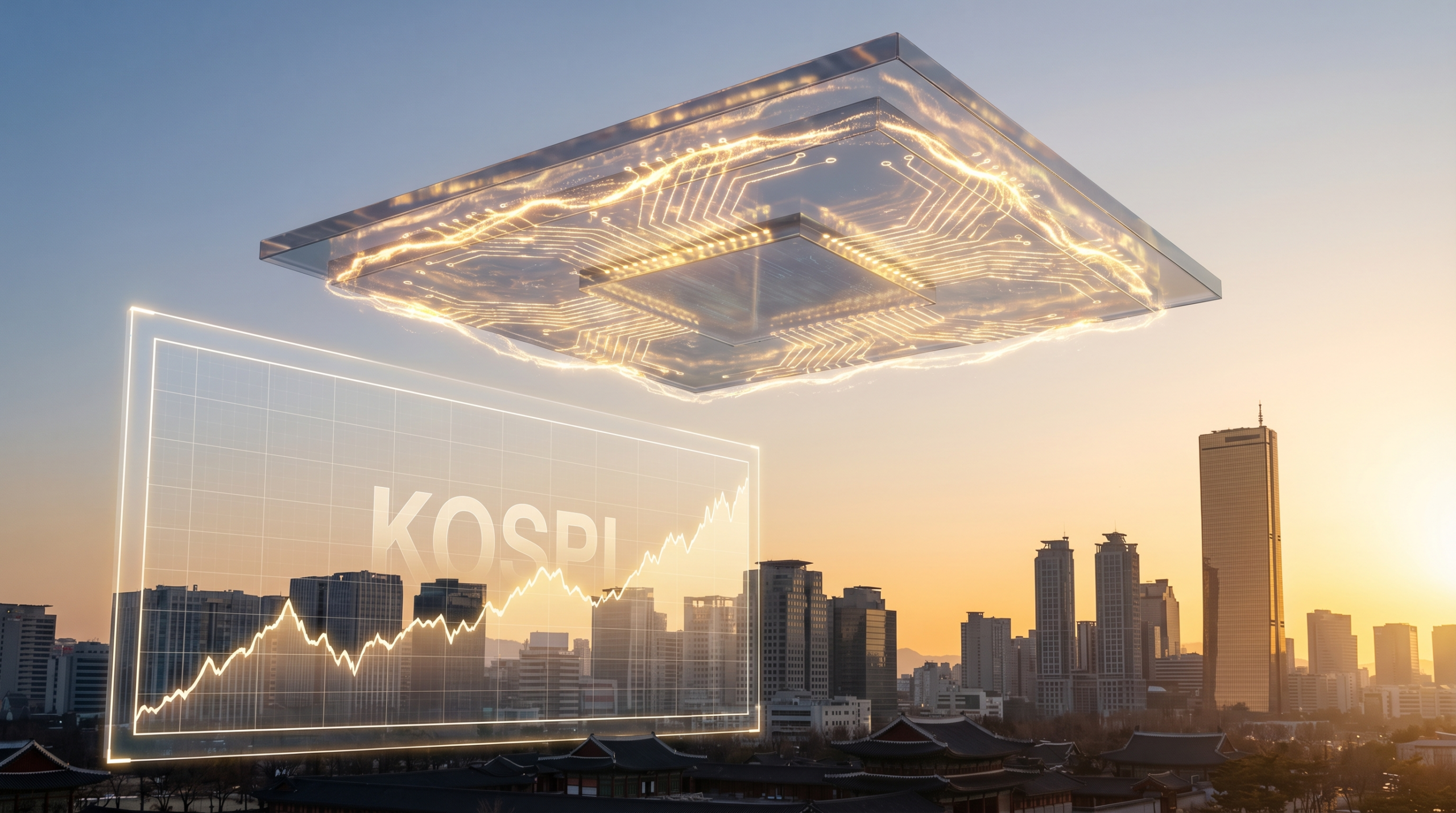
The South Korean stock market has entered a historic phase in early 2026, with the benchmark KOSPI index defying traditional valuation models to reach unprecedented heights. This remarkable ascent is primarily fueled by a potent Memory Chip Supercycle that has caught many global analysts by surprise. As demand for advanced AI-integrated hardware continues to outstrip supply, the dual engines of the Korean economy—Samsung Electronics and SK Hynix—are powering a national wealth creation event the likes of which have not been seen in decades.
A Convergence of Favorable Macroeconomic Factors
While the Memory Chip Supercycle provides the fundamental structural support for the current rally, the broader macroeconomic environment has also turned decisively in favor of Korean equities. Recent reports indicating a potential cessation of regional conflicts in the Middle East have significantly reduced global risk premiums. For an export-heavy economy like South Korea, the combination of lower energy costs and revived risk appetite among foreign institutional investors has been transformative.
According to data from Naver Finance and the Korea Exchange (KRX), foreign investors have been net buyers of Korean stocks for twelve consecutive trading sessions. This sustained inflow of capital is not merely a short-term speculative play but reflects a fundamental reappraisal of the South Korean tech sector’s role in the global AI supply chain. Investors looking for detailed real-time quotes can monitor the Samsung Electronics (005930) ticker page for the latest updates on price action and trading volume.
Samsung and SK Hynix: Leading the Charge
The performance of the tech titans has been nothing short of spectacular. Samsung Electronics has successfully transitioned its production lines to focus almost exclusively on high-bandwidth memory (HBM) and next-generation DRAM, capturing a dominant share of the enterprise AI server market. Similarly, SK Hynix has reported record-breaking margins, proving that the Memory Chip Supercycle is not just about volume, but about the high-value specialized chips that define modern computing.
For more in-depth analysis on how these companies are shaping the future of global technology, visit kstocks.net for our exclusive sector reports. The current trend suggests that the valuation gap between Korean chipmakers and their American counterparts is finally narrowing, as the “Korea Discount” evaporates in the heat of this tech-driven bull market.
Market Volatility and Strategic Outlook
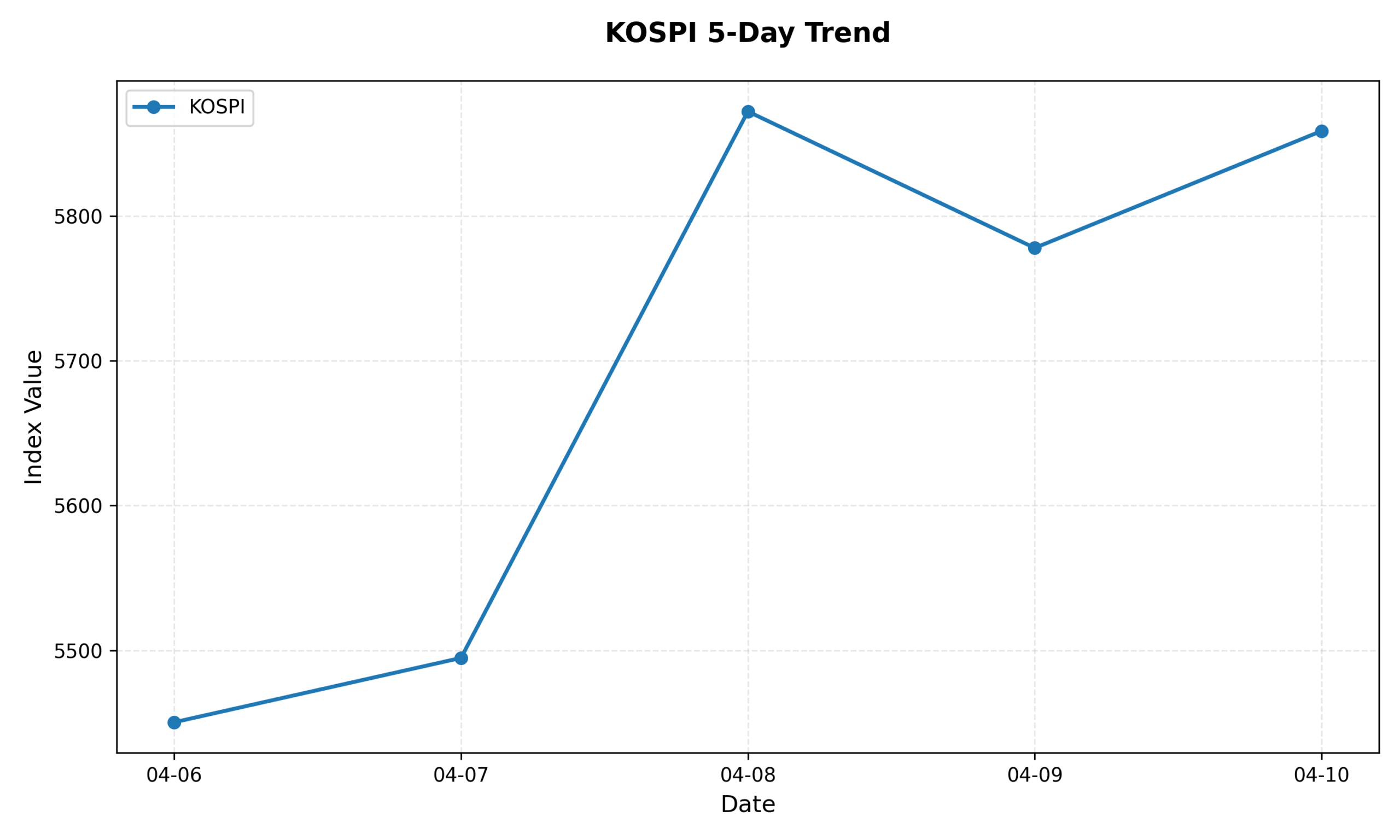
Despite the overwhelming optimism, seasoned traders remain cautious about the steepness of the KOSPI’s trajectory. As shown in the 5-day trend chart above, the index has experienced sharp intraday fluctuations as profit-taking periodically clashes with institutional “Fear Of Missing Out” (FOMO). The Memory Chip Supercycle is expected to maintain its momentum through the second half of 2026, but the path forward will likely involve healthy corrections that provide entry points for long-term investors.
Secondary sectors such as EV batteries and platform services like NAVER and Kakao are also beginning to see rotation plays. As the capital generated from the chip boom seeks diversification, we anticipate a broader market rally that could lift the KOSPI beyond the 6,000 mark by the end of the second quarter. The resilience of the domestic economy, supported by record current account surpluses, provides a solid floor for these lofty valuations.
Conclusion: Navigating the 2026 Bull Market
The convergence of technological leadership and favorable geopolitical shifts has created a “perfect storm” for the Korean market. The Memory Chip Supercycle remains the central narrative, but the maturation of the broader ecosystem indicates that South Korea is no longer just a cyclical play—it is becoming a core destination for global tech-focused capital. As we look ahead to the remainder of April 2026, the focus will remain on export data and HBM yield rates as the primary indicators of market health.
Data Sources: Naver Finance, KRX (Korea Exchange), Bank of Korea.
Investment Disclaimer: The information provided in this article is for educational and informational purposes only and does not constitute financial advice. Investing in the stock market involves significant risk, including the loss of principal. Always perform your own due diligence or consult with a certified financial advisor before making any investment decisions. Past performance is not indicative of future results.
About the Author
Johnny Lee
Seoul-based full-time professional and individual investor with 5 years of active experience in the Korean stock market. My approach combines value investing with medium-term swing trading across a diversified portfolio. In 2025, my personal account delivered a 72.9% return, significantly outperforming the KOSPI benchmark. I started KStocks to bring the Korean investor perspective directly to a global English-speaking audience.
Korean blog: blog.naver.com/taximum | Contact: golchoa@gmail.com