KOSPI Index · KOSDAQ Index · Hanwha Aerospace (012450) · Doosan Enerbility (034020) · HD Hyundai Heavy Industries (329180) · Hanwha Ocean (042660) · Samsung Electronics (005930) · SK Hynix (000660) · KB Financial Group (105560) · Shinhan Financial Group (055550)
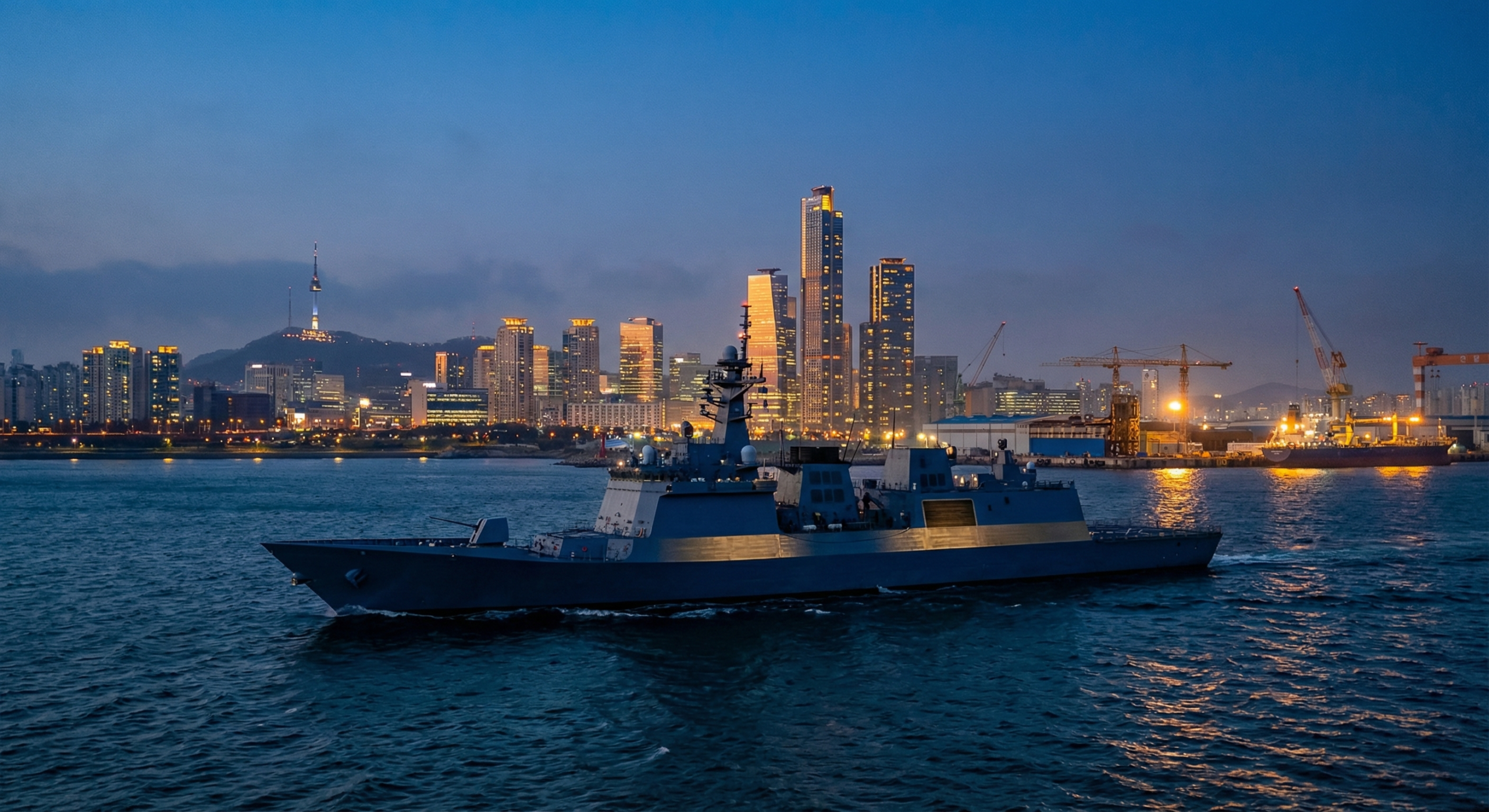
South Korea’s benchmark KOSPI record high defense rally extended into Friday, February 20, 2026, as the index stormed to a fresh all-time peak of 5,775.47—gaining 98.22 points, or +1.73%, from Thursday’s close of 5,677.25. The surge was propelled not by the usual semiconductor heavyweights, but by a powerful rotation into defense, shipbuilding, and financial stocks, fueled by growing optimism over deepening U.S.–South Korea cooperation in rebuilding industrial capacity.
KOSPI Sets New All-Time High on KOSPI Record High Defense Momentum
The KOSPI’s historic close at 5,775.47 marks its highest level ever recorded, capping a remarkable week that saw the index climb more than 4% in just two sessions. The rally’s leadership today shifted decisively away from semiconductors and toward Korea’s industrial complex—a sector increasingly recognized as a key beneficiary of U.S. reshoring and allied supply chain investment.
The catalyst: reports of expanded cooperation between Washington and Seoul on reviving shipbuilding capacity in the United States, with South Korean yards positioned as primary contractors. This geopolitical tailwind injected fresh momentum into a sector that has already been one of the standout performers of 2026.
| Index | Close | Change | % Change |
|---|---|---|---|
| KOSPI | 5,775.47 | +98.22 | +1.73% |
| KOSPI (Prior session) | 5,677.25 | +170.24 | +3.09% |
Defense and Shipbuilding Stocks Lead the Charge
The day’s biggest winners were concentrated in Korea’s defense and heavy industry sectors:
| Stock | Ticker | Change |
|---|---|---|
| Hanwha Aerospace | 012450 | +6.8% |
| Doosan Enerbility | 034020 | +6.7% |
| Hanwha Ocean | 042660 | +2.9% |
| HD Hyundai Heavy Industries | 329180 | +2.3% |
| KB Financial Group | 105560 | +1.5% |
| Shinhan Financial Group | 055550 | +1.7% |
Hanwha Aerospace (012450) surged 6.8% as the defense conglomerate continues to benefit from elevated global demand for artillery systems, missiles, and aircraft components. Poland, Romania, and Australia have all placed multi-billion dollar orders with Hanwha in recent years, and Friday’s move suggests the market is pricing in additional contract wins. Doosan Enerbility (034020) jumped 6.7%, buoyed by both its nuclear energy exposure and its role in heavy machinery supply chains linked to U.S. infrastructure projects.
Shipbuilders were also among the top performers. HD Hyundai Heavy Industries (329180) and Hanwha Ocean (042660) rose 2.3% and 2.9%, respectively, as the market digested reports that U.S. Navy officials have been in discussions with Korean shipyard executives about potential partnerships to address America’s deteriorating naval vessel production capacity.
Semiconductors Step Back — Briefly
In a notable reversal from Thursday’s semiconductor-led surge, Samsung Electronics (005930) slipped 0.3% and SK Hynix (000660) edged down 0.5% as investors booked profits following the prior session’s sharp gains. Samsung had risen 4.86% and SK Hynix 1.59% on Thursday alone. The mild pullback should be viewed in context: both stocks remain near historic highs, and institutional analysts continue to forecast record earnings driven by HBM (High Bandwidth Memory) demand from AI data center buildout.
Goldman Sachs, in a note published this week, maintained its bullish outlook on Korean equities, forecasting 120% earnings growth for Korean equity markets in 2026 following a 36% rise in 2025. “While many investors are asking if they should reduce positions after such strong performance, we think it is still too early,” the bank wrote. For a deeper look at the semiconductor cycle and SK Hynix’s positioning, see our earlier analysis: Samsung and SK Hynix Investment Strategy: Supply Shortage Through 2027.
Foreign Flows and Market Context
Foreign investors have been consistent net buyers of Korean equities in February, particularly in the KOSDAQ, where policy hopes and small-cap recovery themes have attracted international capital. The sustained foreign buying has been a key pillar supporting the KOSPI’s record-breaking run—the index is now up more than 117% year-over-year, according to Trading Economics data.
Globally, the backdrop was slightly more cautious. U.S. equities faced headwinds as rising tensions between Washington and Tehran pushed oil prices higher and weighed on risk sentiment. The S&P 500 and Nasdaq retreated modestly overnight. Yet Seoul bucked the trend entirely, a sign of the structural momentum underpinning Korean markets in 2026.
Outlook: Rotation in Progress, But Bull Case Intact
Today’s session underscores an important dynamic: the Korean bull market is broadening. What began as a semiconductor-driven rally—powered by Samsung and SK Hynix’s dominance in AI memory—is now spreading into defense, shipbuilding, financials, and industrials. This rotation is typically a healthy sign in a sustained uptrend, as it indicates a widening base of investor participation rather than concentration risk.
For investors, the key question is whether defense and shipbuilding valuations have run ahead of near-term fundamentals. Hanwha Aerospace, now up sharply over the past year, trades at a premium. However, the multi-year contract backlog and geopolitical tailwinds suggest the re-rating may have further to run. Shipbuilders similarly benefit from order books that extend through 2028–2029.
As the KOSPI holds above 5,775 going into the weekend, the technical picture remains constructive. The index is trading well above its 50- and 200-day moving averages, and momentum indicators have not yet flashed overbought signals at the index level. The next resistance zone—if this rally continues—lies in uncharted territory, with bulls eyeing the 6,000 level as a psychological milestone.
Disclaimer: This article is for informational purposes only and does not constitute investment advice. Stock prices and market data cited are based on publicly available sources and may not reflect final official figures. Investing in Korean equities involves risks including currency fluctuation, geopolitical factors, and market volatility. Always conduct your own due diligence and consult a qualified financial advisor before making investment decisions. Past performance does not guarantee future results.