Samsung Electronics (005930) · SK Hynix (000660)
Morning Market Brief: Helium Supply Crunch and Semiconductor Resilience
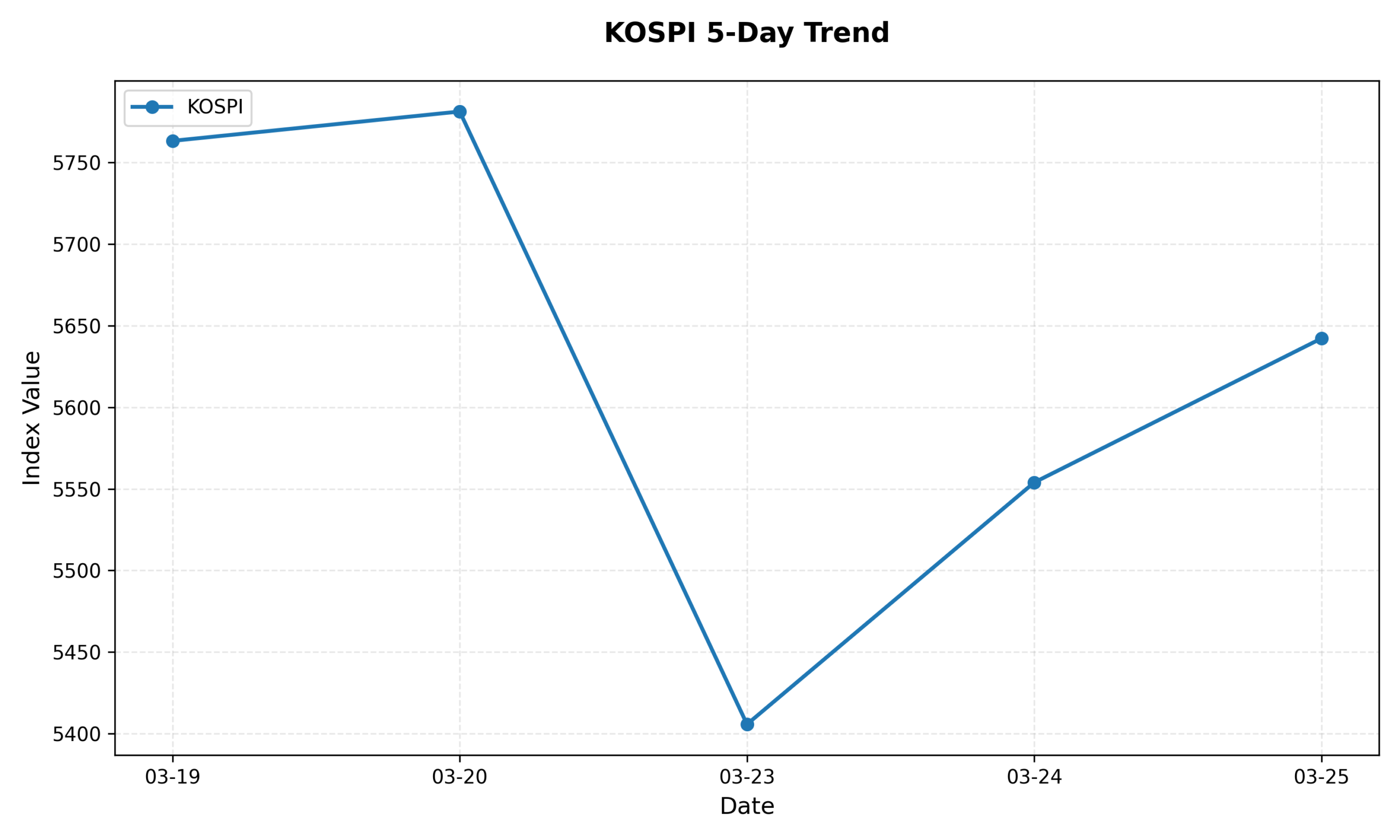
The South Korean stock market experienced a notable recovery on March 25, 2026, as investors navigated through concerns regarding a potential helium supply crunch. Following a sharp decline earlier in the week, the KOSPI index showed resilience, closing at 5,642.21, a gain of 1.59% from the previous session. This recovery comes at a critical time when the global semiconductor industry is closely monitoring supply chain disruptions originating from geopolitical tensions in the Middle East, specifically affecting helium exports from Qatar.
Market Index Performance: KOSPI and KOSDAQ
As of the market close on March 25, the KOSPI ended at 5,642.21, up 88.29 points or 1.59%. The trading volume reached 763 million shares, with a total value of approximately 24.6 trillion won. Meanwhile, the KOSDAQ index outperformed its larger peer, surging by 3.40% to close at 1,159.55. This robust performance in the secondary market was largely driven by institutional and foreign buying in the technology and bio sectors.
According to data from Naver Finance and the Korea Exchange (KRX), foreign investors remained net sellers in the KOSPI market, while institutional investors provided significant support through net purchases. The market’s ability to absorb the recent volatility suggests a underlying confidence in the long-term growth prospects of Korea’s leading technology firms, despite the immediate threat of a helium supply crunch.
Helium Supply Crunch: A New Threat to Semiconductors
The primary concern for investors this week has been the emerging risk of a helium supply crunch. Reports from international news outlets, including TrendForce and CNBC, have highlighted a potential bottleneck in helium production following recent attacks on QatarEnergy infrastructure. Qatar is one of the world’s largest exporters of helium, a gas essential for various high-tech manufacturing processes, most notably in the production of advanced semiconductors and optical fibers.
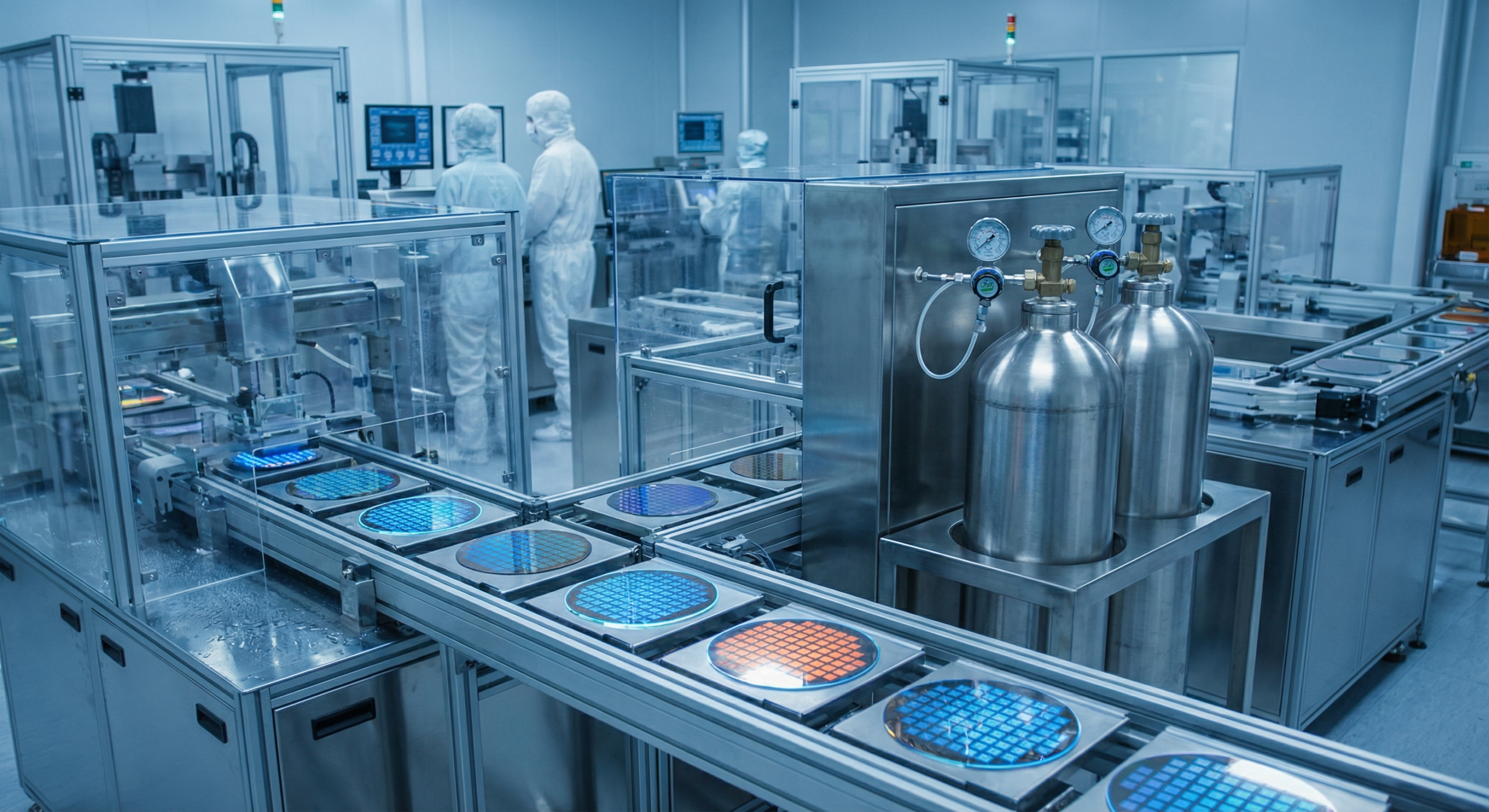
For companies like Samsung Electronics (005930) and SK Hynix (000660), helium is used as a coolant and for creating controlled atmospheres during the delicate lithography and etching stages of chip fabrication. Any prolonged disruption in helium supply could lead to increased production costs or, in extreme cases, temporary manufacturing pauses. The market is currently evaluating how these “national champions” will manage their inventories and diversify their sourcing strategies to mitigate the impact of this helium supply crunch.
Samsung and SK Hynix: Navigating the Supply Chain Maze
Samsung Electronics and SK Hynix have both been proactive in addressing supply chain vulnerabilities since the global logistics crisis of the early 2020s. Both firms have reportedly built up several months of helium reserves, which should buffer them against short-term disruptions. However, the prospect of a sustained shortage has led to a cautious sentiment among some analysts.
In addition to helium concerns, the semiconductor giants are also facing a shifting landscape in the domestic labor market. Recent surveys indicate that SK Hynix has surpassed Samsung Electronics as the most desired large employer in South Korea, reflecting the company’s aggressive expansion and improved employee benefits following the recent memory boom. This competition for top talent remains a crucial factor in maintaining technological leadership in the global AI chip market.
Strategic Outlook for KStocks.net Readers
For investors focused on kstocks.net, the current market environment demands a balance between opportunistic buying and risk management. While the recovery on Wednesday is encouraging, the volatility seen on March 23—where the KOSPI plummeted by over 6%—serves as a reminder of how sensitive the Korean market is to global supply chain shocks.
The helium supply crunch is a classic “black swan” event that tests the operational flexibility of semiconductor firms. Investors should keep a close eye on further reports from Qatar and the response of major logistics providers. If the supply situation stabilizes, the current dip may present a strategic entry point for long-term investors in the semiconductor sector, especially given the ongoing demand for high-bandwidth memory (HBM) and AI-specific hardware.
In conclusion, while the threat of a helium supply crunch looms, the fundamental strength of the South Korean tech ecosystem remains intact. The agility of Samsung and SK Hynix in managing their complex supply chains will be the ultimate determinant of their stock performance in the coming weeks.
Investment Disclaimer: The information provided in this article is for informational purposes only and does not constitute financial or investment advice. Investing in the stock market involves significant risks, including the loss of principal. Always conduct your own research or consult with a qualified financial advisor before making any investment decisions. Data Source: Naver Finance, KRX.
About the Author
Johnny Lee
Seoul-based full-time professional and individual investor with 5 years of active experience in the Korean stock market. My approach combines value investing with medium-term swing trading across a diversified portfolio. In 2025, my personal account delivered a 72.9% return, significantly outperforming the KOSPI benchmark. I started KStocks to bring the Korean investor perspective directly to a global English-speaking audience.
Korean blog: blog.naver.com/taximum | Contact: golchoa@gmail.com