Samsung Electronics (005930) · SK Hynix (000660)
Geopolitical Crisis Shakes the KOSPI: Semiconductor Giants Face Severe Volatility
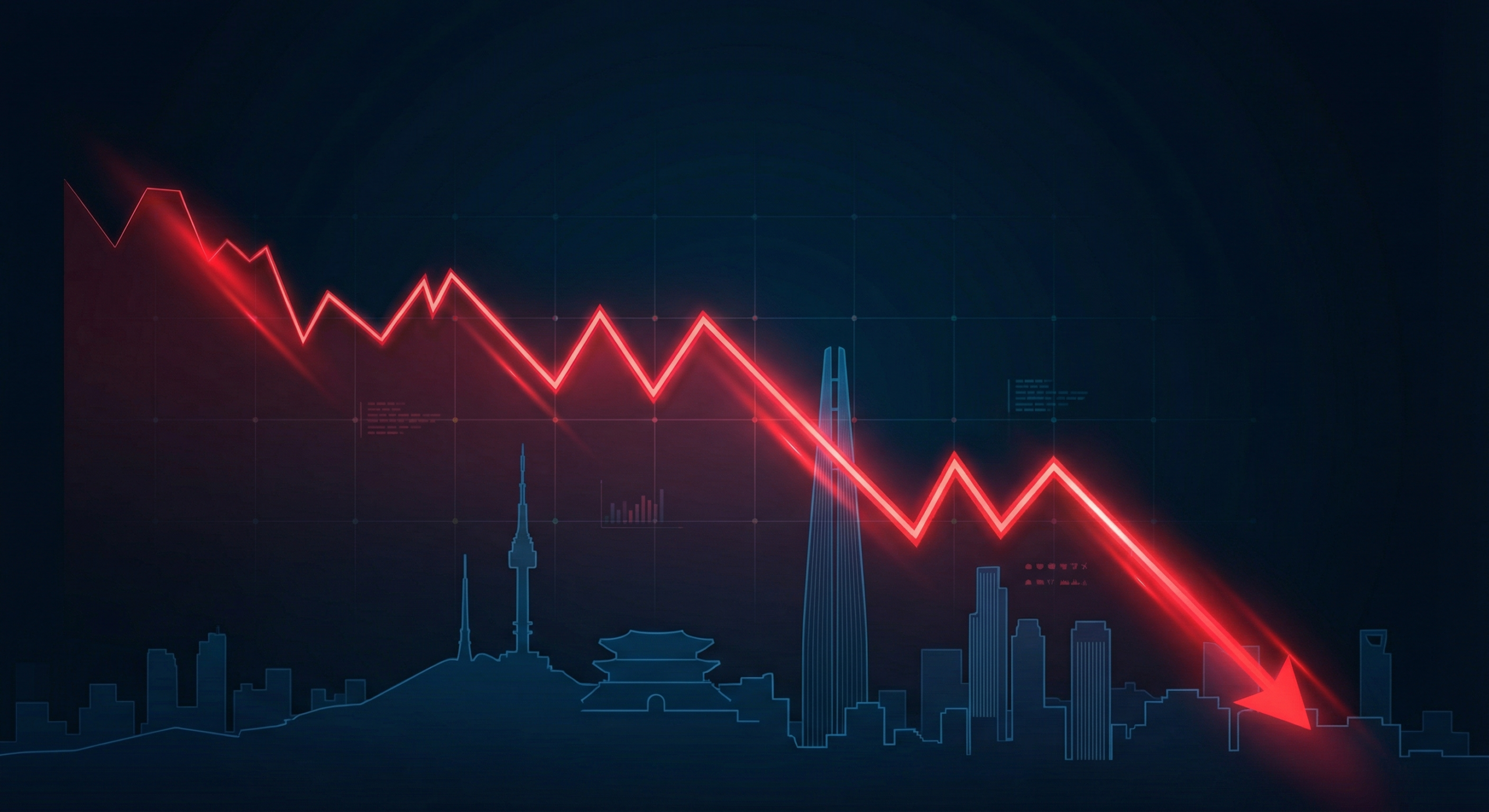
The South Korean stock market experienced a historic downturn on March 3, 2026, as geopolitical tensions in the Middle East sent shockwaves through global financial markets. Samsung Electronics (005930) and SK Hynix (000660), the dual pillars of the Korean economy, saw their share prices plummet nearly 10% and 11.5% respectively in a single session. This sudden geopolitical market volatility has raised urgent questions for investors who had been riding the wave of a record-breaking rally in the KOSPI index over the past year. As the world watches the escalating conflict, the focus remains on how these semiconductor leaders will navigate a landscape increasingly defined by macro uncertainty and supply chain risks.
The Impact of Middle East Tensions on Semiconductor Heavyweights
The primary driver behind the current geopolitical market volatility is the escalation of conflict in the Middle East, specifically involving US-Israel strikes and threats to the Strait of Hormuz. For export-oriented firms like Samsung and SK Hynix, any disruption to global trade routes or energy prices poses a direct threat to operational costs and logistics. Just a week ago, the KOSPI had surpassed the 6,000-point milestone, driven by the AI memory boom. However, the “Black Tuesday” rout wiped out billions in market capitalization, reminding market participants that even the strongest fundamental growth in HBM (High Bandwidth Memory) technology cannot fully insulate stocks from systemic macro shocks.
Analysts at several Seoul-based brokerages noted that while the long-term demand for AI-related semiconductors remains robust, the immediate reaction from foreign investors has been one of “risk-off” liquidation. Foreign institutional investors reportedly offloaded a record amount of shares, seeking safety in traditional havens. The KOSPI, which has been one of the best-performing indices globally in early 2026, is now facing its first major test of resilience in this new era of high valuation.
Navigating Geopolitical Market Volatility in 2026
For individual investors, the current environment necessitates a cautious approach. While the 10% drop in Samsung Electronics may look like a “buying the dip” opportunity, the duration of the geopolitical crisis remains the critical unknown factor. Historically, market shocks driven by conflict tend to be sharp but short-lived, provided they do not lead to a prolonged global recession or sustained energy crisis. However, the specific vulnerability of the Korean won and the reliance on imported energy make the local market particularly sensitive to these developments.
Internal links and further analysis of the Korean financial landscape can be found at kstocks.net, where we track the daily movements of the KOSPI and KOSDAQ. As we move through the first week of March, the focus will shift to the Bank of Korea’s response and any government measures to stabilize the equity markets. For now, maintaining a diversified portfolio and monitoring the news cycle in the Middle East is essential for managing geopolitical market volatility.
Conclusion: AI Fundamentals vs. Macro Reality
In conclusion, the current correction in the South Korean market highlights the delicate balance between high-growth technology narratives and the harsh realities of global politics. Samsung Electronics and SK Hynix remain the world leaders in the memory sector, but their short-term trajectory is currently decoupled from their technological prowess. Investors should watch for signs of stabilization in the currency markets and a de-escalation of rhetoric in the Middle East before committing significant new capital to the sector.
Investment Disclaimer: The information provided in this article is for informational purposes only and does not constitute financial or investment advice. Stock market investments carry risks, and readers should consult with a qualified professional before making any financial decisions.